
Digital marketing has evolved rapidly over the past two decades, driven by technological innovation and changing consumer behavior. What began as simple banner ads and email campaigns has transformed into a sophisticated ecosystem powered by artificial intelligence (AI), data analytics, and personalized content. As we move deeper into the digital age, the future of digital marketing promises even greater change—driven by emerging technologies, ethical concerns, and the growing demand for authentic, human-centered brand experiences.
1. Artificial Intelligence and Automation
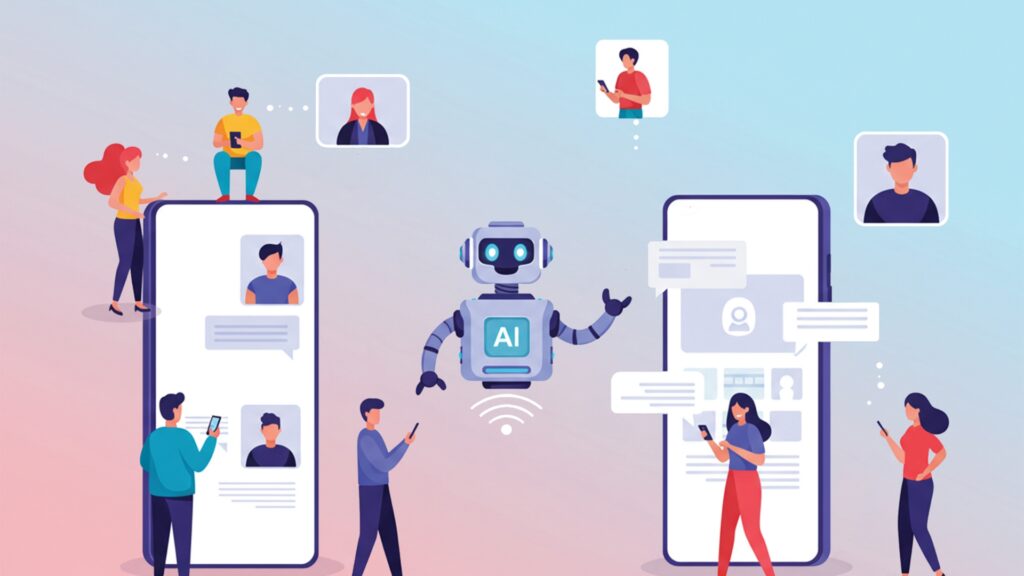
Artificial Intelligence (AI) is revolutionizing how marketers understand, reach, and engage consumers. AI tools can analyze vast amounts of data to uncover insights about customer behavior, preferences, and buying patterns. This enables hyper-personalization—tailoring content, ads, and recommendations to individual users in real time.
For example, AI chatbots now handle customer inquiries instantly on websites and social media, providing 24/7 assistance. Platforms like Google Ads use AI to automatically optimize bidding strategies for better ad placement and performance. Predictive analytics helps marketers anticipate customer needs before they even express them, creating smoother and more satisfying experiences.
Automation will continue to expand across all areas of digital marketing—from scheduling social media posts to generating personalized emails and managing complex ad campaigns. As these technologies mature, marketers will focus more on strategy and creativity while letting machines handle repetitive or data-heavy tasks.
2. Voice Search and Conversational Marketing
The growing use of voice-activated devices such as Amazon Alexa, Google Assistant, and Apple’s Siri has changed how people search for information. Voice search relies on natural language rather than typed keywords, meaning marketers must adapt their content strategies.

Instead of optimizing for short, typed phrases like “best running shoes,” businesses now need to focus on conversational queries such as “What are the best running shoes for flat feet?” This shift encourages more natural, question-based content that directly addresses consumer needs.
Conversational marketing—using chatbots and messaging apps to communicate with customers in real time—is another major trend. Brands are increasingly using platforms like WhatsApp, Messenger, and WeChat to deliver personalized experiences and guide users through the buying process. This approach builds stronger customer relationships by making communication faster, more direct, and more human-like.
3. Video and Immersive Content
Video has become one of the most powerful tools in digital marketing, and its importance will only continue to grow. Short-form videos on platforms like TikTok, Instagram Reels, and YouTube Shorts have transformed how brands capture attention. Consumers prefer visual, easily digestible content that tells a story quickly.

Looking ahead, immersive technologies such as augmented reality (AR) and virtual reality (VR) will redefine engagement. For example, AR allows users to “try on” products virtually—such as testing how furniture looks in their homes or how a lipstick shade appears on their face—before purchasing. VR, on the other hand, creates entirely new environments for consumers to explore, offering brands creative ways to demonstrate products or host virtual events.
These immersive experiences will play a key role in making digital marketing more interactive, memorable, and emotionally engaging.
4. Data Privacy and Ethical Marketing
As digital marketing becomes more data-driven, privacy concerns have taken center stage. Consumers are increasingly aware of how their personal information is collected, stored, and used. Governments have responded with strict data protection regulations, such as the General Data Protection Regulation (GDPR) in Europe and the California Consumer Privacy Act (CCPA) in the United States.

In the future, marketers will need to prioritize transparency and consent-based data collection. Brands that respect privacy, communicate openly about their data practices, and give users control over their information will earn greater trust and loyalty.
Moreover, ethical marketing—promoting honesty, inclusivity, and social responsibility—will become a defining feature of successful campaigns. Consumers, especially younger generations, prefer brands that align with their personal values and contribute positively to society. This means authenticity and purpose-driven storytelling will become essential for long-term brand success.
5. Personalization and Customer Experience (CX)
The future of digital marketing will revolve around customer experience. Consumers no longer just buy products—they seek meaningful, personalized interactions with brands. Using AI, big data, and behavioral analytics, companies can deliver experiences that feel tailored to each individual’s preferences and journey.

For example, Netflix and Spotify already use AI algorithms to recommend content based on user behavior. Similarly, e-commerce platforms like Amazon personalize product suggestions and pricing to maximize engagement and satisfaction. This level of personalization enhances loyalty and boosts conversion rates.
However, personalization must balance relevance with respect for privacy. Overly invasive or “creepy” targeting can alienate users, so marketers must find the right balance between customization and consent.
6. Sustainability and Social Responsibility
Future consumers are more environmentally conscious and socially aware. They expect brands to take stands on issues such as climate change, equality, and fair labor practices. Digital marketing will increasingly highlight sustainability efforts—showcasing eco-friendly products, transparent supply chains, and charitable initiatives.

Green marketing, supported by authentic storytelling, will not only attract eco-conscious buyers but also strengthen a brand’s reputation. Companies that “walk the talk” and demonstrate measurable impact will gain a competitive advantage in a socially responsible marketplace.
7. The Integration of Emerging Technologies
Beyond AI and AR/VR, other emerging technologies will shape the future of digital marketing:

- Blockchain will enhance transparency in digital advertising by preventing fraud and verifying ad authenticity.
- The Internet of Things (IoT) will connect everyday devices, enabling real-time marketing based on contextual data (for example, sending discounts to a customer’s smart fridge when it detects low supplies).
- 5G networks will improve internet speeds and support richer, more interactive digital experiences.