Author name: digitalhusaink8@gmail.com

Blog

How to Grow Your Brand Organically on Social Media

In today’s digital world, social media has become one of the most powerful tools for building a brand. With billions of users actively engaging on various platforms, businesses have endless opportunities to connect with their target audience. While paid advertising can deliver quick results, organic social media growth helps create long-term relationships, build trust, and establish a strong brand presence without relying heavily on advertising budgets. Growing your brand organically on social media requires consistency, creativity, and a clear strategy. Here are some effective ways to achieve sustainable growth. Understand Your Target Audience The first step to organic growth is knowing who your audience is. Before creating content, identify your ideal customers by considering factors such as age, interests, location, profession, and online behavior. Understanding your audience helps you create content that resonates with them and encourages engagement. Conduct audience research through social media insights, customer feedback, and competitor analysis. The more you know about your audience, the easier it becomes to deliver content they find valuable and engaging. Create High-Quality Content Content is the foundation of any successful social media strategy. To attract and retain followers, focus on creating content that educates, entertains, inspires, or solves problems. Popular content formats include: High-quality visuals, compelling captions, and valuable information can significantly increase engagement and encourage users to share your content with others. Maintain a Consistent Posting Schedule Consistency is one of the most important factors in organic social media growth. Posting regularly helps keep your brand visible and reminds your audience that you are active and engaged. Create a content calendar to plan your posts in advance. Whether you post daily, three times a week, or weekly, maintaining a consistent schedule helps build audience expectations and improves overall engagement. Focus on Engagement Social media is not just about posting content; it is about building relationships. Engage with your audience by responding to comments, replying to messages, and participating in conversations. Ask questions, conduct polls, and encourage followers to share their opinions. The more interactions your content receives, the more likely social media algorithms are to show it to a larger audience. Building genuine connections with followers increases trust and encourages long-term loyalty. Leverage Short-Form Video Content Short-form videos continue to dominate social media platforms. Reels, Shorts, and similar video formats often receive higher reach and engagement than static posts. Create videos that provide quick tips, showcase products, share customer success stories, or highlight behind-the-scenes moments. Authentic and relatable content often performs better than overly polished promotional material. Short videos can help brands reach new audiences and improve organic visibility. Use Relevant Hashtags Strategically Hashtags help users discover your content beyond your existing followers. Research industry-specific and trending hashtags that align with your content and audience. Avoid using irrelevant or excessive hashtags. Instead, focus on a mix of broad, niche, and branded hashtags to maximize reach while maintaining relevance. A thoughtful hashtag strategy can improve content discoverability and attract new followers interested in your niche. Collaborate with Others Partnerships and collaborations can significantly expand your reach. Work with industry experts, creators, complementary businesses, or satisfied customers to create content together. Collaborations introduce your brand to new audiences and help build credibility. Even small partnerships can generate valuable exposure and engagement. User-generated content is another effective form of collaboration. Encouraging customers to share their experiences with your products or services can strengthen trust and authenticity. Monitor Analytics and Improve Successful social media growth requires continuous improvement. Regularly analyze your performance using platform analytics tools. Track important metrics such as: Identify which content performs best and use those insights to refine your strategy. Data-driven decisions help maximize results and ensure long-term growth. Stay Updated with Trends Social media trends evolve rapidly. Brands that adapt to new features, content formats, and audience preferences often achieve better results. Keep an eye on industry trends, viral content formats, and platform updates. Participating in relevant trends can increase visibility and help your brand remain competitive. However, ensure that any trend you follow aligns with your brand identity and audience interests. Conclusion Growing your brand organically on social media is a long-term process that requires patience, consistency, and strategic effort. By understanding your audience, creating valuable content, engaging with followers, leveraging video content, and continuously optimizing your approach, you can build a strong and loyal online community. While organic growth may take time, it often results in stronger customer relationships, higher trust, and sustainable brand success. Businesses that focus on delivering value and authentic engagement are more likely to stand out and thrive in today’s competitive social media landscape.

Blog

Online vs offline marketing

Marketing is the backbone of every successful business. Whether a company wants to increase brand awareness, generate leads, or boost sales, effective marketing plays a crucial role. Today, businesses have two major marketing approaches to choose from: online marketing and offline marketing. While both aim to reach potential customers and promote products or services, they differ significantly in their methods, reach, cost, and effectiveness. Understanding the differences between online and offline marketing can help businesses make informed decisions and create a strategy that delivers the best results. What is Online Marketing? Online marketing, also known as digital marketing, involves promoting products or services through internet-based channels. Businesses use websites, search engines, social media platforms, email campaigns, and online advertisements to connect with their target audience. Some common forms of online marketing include: Online marketing allows businesses to reach customers anywhere in the world and engage with them in real time. What is Offline Marketing? Offline marketing refers to traditional promotional methods that do not require the internet. These marketing activities are conducted through physical or broadcast media and have been used by businesses for decades. Examples of offline marketing include: Offline marketing remains valuable for businesses targeting local audiences and customers who rely more on traditional media. Reach and Audience One of the biggest differences between online and offline marketing is audience reach. Online marketing offers a global reach. A business can promote its products to customers across different cities, countries, and continents with just a few clicks. Social media platforms and search engines make it possible to connect with millions of potential customers instantly. Offline marketing, on the other hand, is usually limited to a specific geographic area. For example, a newspaper advertisement may only reach readers within a particular city or region. While television can provide wider exposure, it often comes at a much higher cost. Cost Effectiveness Budget is a critical factor for most businesses. Online marketing is generally more affordable than offline marketing. Small businesses can run social media campaigns, publish blog content, and optimize their websites with relatively low investment. Digital advertising platforms also allow businesses to control their spending and adjust campaigns based on performance. Offline marketing often requires a larger budget. Television commercials, radio ads, billboards, and print advertisements can be expensive, making them less accessible for startups and small businesses. Targeting Capabilities Online marketing provides advanced targeting options. Businesses can target audiences based on: This level of precision helps businesses reach the right people and improve conversion rates. Offline marketing typically uses broader targeting methods. A billboard or newspaper advertisement is displayed to a wide audience, many of whom may not be interested in the product or service being promoted. Customer Engagement Customer engagement is another area where online marketing excels. Through social media, email, and websites, businesses can interact directly with customers. They can respond to comments, answer questions, and gather feedback instantly. This two-way communication helps build stronger customer relationships. Offline marketing is usually one-way communication. Customers receive the message but have limited opportunities to interact with the brand immediately. Measuring Results One of the greatest advantages of online marketing is the ability to track performance accurately. Businesses can monitor: These insights help marketers optimize campaigns and improve results. Offline marketing is more difficult to measure. While businesses may notice increased sales after a campaign, determining exactly which advertisement generated those sales can be challenging. Brand Trust and Credibility Offline marketing still holds an advantage in terms of perceived credibility. Many consumers view television, newspaper, and magazine advertisements as more trustworthy because they are associated with established media channels. However, online marketing can also build trust through high-quality content, customer reviews, testimonials, and a strong social media presence. Which Marketing Approach is Better? There is no single answer because the best approach depends on the business, audience, and goals. Online marketing is ideal for businesses seeking measurable results, global reach, cost-effective advertising, and customer engagement. It is particularly beneficial for startups and businesses looking to scale quickly. Offline marketing works well for local businesses, community promotions, and brand awareness campaigns. It can also be effective when targeting audiences that consume traditional media regularly. Conclusion Online and offline marketing each has unique strengths and limitations. Online marketing offers affordability, precise targeting, real-time engagement, and measurable results, while offline marketing provides credibility, local visibility, and broad brand exposure. For most businesses, the most effective strategy is a combination of both approaches. By integrating online and offline marketing efforts, companies can maximize their reach, strengthen their brand, and achieve long-term growth in an increasingly competitive marketplace.

Blog

How to Rank a New Website Faster

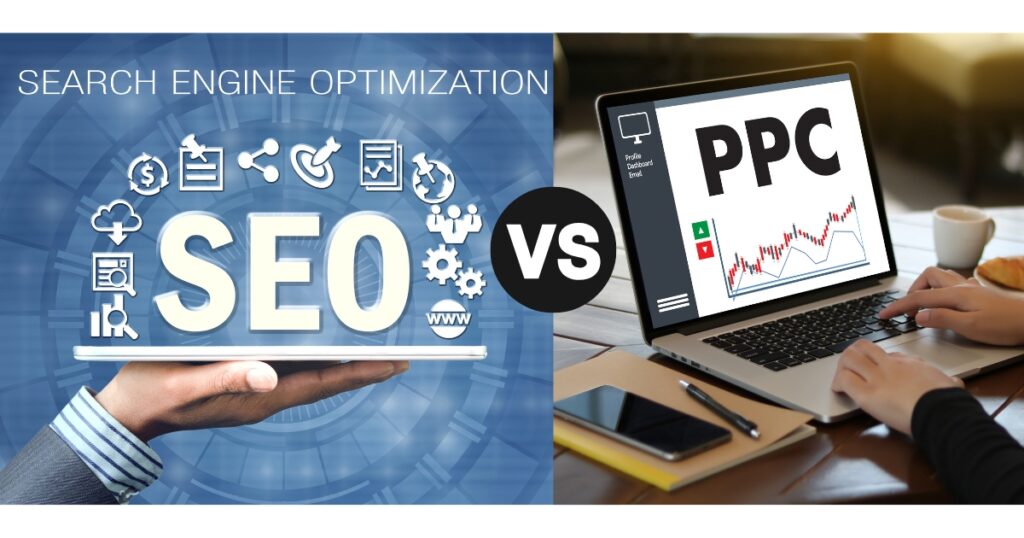
Launching a new website is exciting, but one of the biggest challenges is getting it to rank on search engines like Google. Many website owners expect instant traffic after publishing their site, but SEO takes time and strategy. The good news is that with the right approach, you can speed up the ranking process and start attracting visitors faster. 1. Start With Proper Keyword Research The foundation of SEO begins with choosing the right keywords. Instead of targeting highly competitive keywords, focus on long-tail keywords that are easier to rank for. For example, rather than targeting “digital marketing,” a new website can target “digital marketing tips for small businesses.” Use keyword research tools to identify: Targeting the right keywords helps search engines understand your content and improves your chances of appearing in search results quickly. 2. Publish High-Quality Content Regularly Content is one of the most important ranking factors. Google prefers websites that consistently publish useful, informative, and original content. Create blog posts that solve user problems, answer common questions, and provide value. To make your content SEO-friendly: Consistency matters. Publishing 2–3 quality articles per week can significantly improve your website’s visibility over time. 3. Optimize On-Page SEO On-page SEO helps search engines crawl and understand your website better. Every page on your website should be properly optimized. Important on-page SEO elements include: For example, a clean URL like:yourwebsite.com/rank-new-website-fasteris better than:yourwebsite.com/page?id=123 Good on-page SEO improves both user experience and search engine rankings. 4. Improve Website Speed Website speed is a direct ranking factor. If your website loads slowly, visitors may leave quickly, increasing bounce rates and hurting SEO performance. To improve speed: A fast website provides a better user experience and helps search engines crawl your pages more efficiently. 5. Make Your Website Mobile-Friendly Most internet users browse websites on mobile devices. Google uses mobile-first indexing, meaning it primarily evaluates the mobile version of your site. Ensure your website: Responsive website design improves user engagement and search rankings. 6. Build Quality Backlinks Backlinks are links from other websites to your site. They act as signals of trust and authority in Google’s algorithm. However, quality matters more than quantity. Ways to build backlinks: Avoid buying backlinks or using spammy SEO techniques because they can harm your rankings. 7. Use Internal Linking Internal linking connects pages within your website. This helps search engines discover content and keeps visitors on your site longer. For example, if you write a blog about SEO tools, you can internally link it to another article about keyword research. Proper internal linking improves website structure and user experience. 8. Submit Your Website to Google After launching your website, submit it to Google Search Console. This helps Google index your pages faster. You should also: Google Search Console provides valuable insights that can improve your SEO strategy. 9. Focus on User Experience Google rewards websites that provide a positive user experience. If visitors stay longer on your website, it signals that your content is valuable. Improve user experience by: A good user experience increases engagement and boosts rankings over time. 10. Be Patient and Consistent SEO is not an overnight process. New websites usually take time to gain authority and trust. Instead of expecting immediate results, focus on consistent improvement. Continue: With patience and consistent effort, your website will gradually rank higher and attract more organic traffic. Conclusion Ranking a new website faster requires a combination of smart SEO strategies, quality content, technical optimization, and patience. By focusing on keyword research, content creation, backlinks, mobile optimization, and user experience, you can increase your chances of appearing higher in search results.

Blog

Social Media Marketing

In today’s interconnected world, social media is no longer just a platform for connecting with friends or sharing photos—it has evolved into one of the most powerful tools for businesses to reach, engage, and convert customers. Social Media Marketing (SMM) is the strategic use of social media platforms to promote a brand, product, or service. It helps businesses build awareness, drive website traffic, and boost sales through authentic digital engagement. What is Social Media Marketing? Social Media Marketing involves creating and sharing content on platforms such as Facebook, Instagram, Twitter (X), LinkedIn, YouTube, Pinterest, and TikTok to achieve marketing and branding goals. The content can include images, videos, infographics, reels, or even interactive stories. SMM combines creativity, analytics, and technology to establish a brand’s voice and foster genuine connections with its audience. Unlike traditional marketing, where communication is one-way, social media marketing encourages two-way communication. Customers can comment, react, and share their opinions instantly—creating a real-time feedback loop that brands can use to improve their products and strategies. The Importance of Social Media Marketing Key Components of an Effective Social Media Marketing Strategy Trends Shaping Social Media Marketing in 2025 The world of SMM evolves rapidly. Some key trends dominating 2025 include: Challenges in Social Media Marketing While SMM offers immense opportunities, it also comes with challenges. Managing multiple platforms, keeping up with algorithm changes, dealing with negative feedback, and measuring ROI can be complex. Moreover, maintaining consistency and creativity requires time and skill. Businesses must balance automation with authenticity—ensuring that technology enhances, not replaces, human connection.

Blog

The Future of Digital Marketing.

Digital marketing has evolved rapidly over the past two decades, driven by technological innovation and changing consumer behavior. What began as simple banner ads and email campaigns has transformed into a sophisticated ecosystem powered by artificial intelligence (AI), data analytics, and personalized content. As we move deeper into the digital age, the future of digital marketing promises even greater change—driven by emerging technologies, ethical concerns, and the growing demand for authentic, human-centered brand experiences. 1. Artificial Intelligence and Automation Artificial Intelligence (AI) is revolutionizing how marketers understand, reach, and engage consumers. AI tools can analyze vast amounts of data to uncover insights about customer behavior, preferences, and buying patterns. This enables hyper-personalization—tailoring content, ads, and recommendations to individual users in real time. For example, AI chatbots now handle customer inquiries instantly on websites and social media, providing 24/7 assistance. Platforms like Google Ads use AI to automatically optimize bidding strategies for better ad placement and performance. Predictive analytics helps marketers anticipate customer needs before they even express them, creating smoother and more satisfying experiences. Automation will continue to expand across all areas of digital marketing—from scheduling social media posts to generating personalized emails and managing complex ad campaigns. As these technologies mature, marketers will focus more on strategy and creativity while letting machines handle repetitive or data-heavy tasks. 2. Voice Search and Conversational Marketing The growing use of voice-activated devices such as Amazon Alexa, Google Assistant, and Apple’s Siri has changed how people search for information. Voice search relies on natural language rather than typed keywords, meaning marketers must adapt their content strategies. Instead of optimizing for short, typed phrases like “best running shoes,” businesses now need to focus on conversational queries such as “What are the best running shoes for flat feet?” This shift encourages more natural, question-based content that directly addresses consumer needs. Conversational marketing—using chatbots and messaging apps to communicate with customers in real time—is another major trend. Brands are increasingly using platforms like WhatsApp, Messenger, and WeChat to deliver personalized experiences and guide users through the buying process. This approach builds stronger customer relationships by making communication faster, more direct, and more human-like. 3. Video and Immersive Content Video has become one of the most powerful tools in digital marketing, and its importance will only continue to grow. Short-form videos on platforms like TikTok, Instagram Reels, and YouTube Shorts have transformed how brands capture attention. Consumers prefer visual, easily digestible content that tells a story quickly. Looking ahead, immersive technologies such as augmented reality (AR) and virtual reality (VR) will redefine engagement. For example, AR allows users to “try on” products virtually—such as testing how furniture looks in their homes or how a lipstick shade appears on their face—before purchasing. VR, on the other hand, creates entirely new environments for consumers to explore, offering brands creative ways to demonstrate products or host virtual events. These immersive experiences will play a key role in making digital marketing more interactive, memorable, and emotionally engaging. 4. Data Privacy and Ethical Marketing As digital marketing becomes more data-driven, privacy concerns have taken center stage. Consumers are increasingly aware of how their personal information is collected, stored, and used. Governments have responded with strict data protection regulations, such as the General Data Protection Regulation (GDPR) in Europe and the California Consumer Privacy Act (CCPA) in the United States. In the future, marketers will need to prioritize transparency and consent-based data collection. Brands that respect privacy, communicate openly about their data practices, and give users control over their information will earn greater trust and loyalty. Moreover, ethical marketing—promoting honesty, inclusivity, and social responsibility—will become a defining feature of successful campaigns. Consumers, especially younger generations, prefer brands that align with their personal values and contribute positively to society. This means authenticity and purpose-driven storytelling will become essential for long-term brand success. 5. Personalization and Customer Experience (CX) The future of digital marketing will revolve around customer experience. Consumers no longer just buy products—they seek meaningful, personalized interactions with brands. Using AI, big data, and behavioral analytics, companies can deliver experiences that feel tailored to each individual’s preferences and journey. For example, Netflix and Spotify already use AI algorithms to recommend content based on user behavior. Similarly, e-commerce platforms like Amazon personalize product suggestions and pricing to maximize engagement and satisfaction. This level of personalization enhances loyalty and boosts conversion rates. However, personalization must balance relevance with respect for privacy. Overly invasive or “creepy” targeting can alienate users, so marketers must find the right balance between customization and consent. 6. Sustainability and Social Responsibility Future consumers are more environmentally conscious and socially aware. They expect brands to take stands on issues such as climate change, equality, and fair labor practices. Digital marketing will increasingly highlight sustainability efforts—showcasing eco-friendly products, transparent supply chains, and charitable initiatives. Green marketing, supported by authentic storytelling, will not only attract eco-conscious buyers but also strengthen a brand’s reputation. Companies that “walk the talk” and demonstrate measurable impact will gain a competitive advantage in a socially responsible marketplace. 7. The Integration of Emerging Technologies Beyond AI and AR/VR, other emerging technologies will shape the future of digital marketing:

Blog

What is Digital Marketing?

Digital marketing refers to the use of digital channels, technologies, and online platforms to promote products, services, or brands to a targeted audience. It involves leveraging the internet and electronic devices—such as computers, smartphones, and tablets—to connect businesses with consumers. Unlike traditional marketing, which relies on physical media like newspapers, billboards, and television, digital marketing operates primarily in virtual spaces, allowing for more precise targeting, measurement, and interaction. 1. Evolution and Importance of Digital Marketing The rise of the internet and social media revolutionized how businesses interact with customers. In the past, marketing efforts were often one-way communications: companies broadcast messages, and consumers passively received them. However, digital marketing introduced a two-way dialogue. Consumers can now respond, share feedback, and even influence brand perception through reviews and social media discussions. Today, digital marketing is crucial for almost every business—large or small—because consumers increasingly rely on digital sources to make purchasing decisions. According to various studies, a majority of customers research online before buying a product, even if they make the final purchase in a physical store. This means businesses must maintain a strong online presence to remain competitive. 2. Major Components of Digital Marketing Digital marketing encompasses a wide range of strategies and techniques. The most common and important components include: A. Search Engine Optimization (SEO) SEO involves optimizing a website to improve its visibility in search engine results pages (SERPs). The goal is to rank higher for keywords relevant to a business’s products or services. SEO includes both on-page factors (such as keyword use, content quality, and website speed) and off-page factors (like backlinks and social signals). Effective SEO helps businesses attract “organic” traffic without paying for ads. B. Content Marketing Content marketing focuses on creating and distributing valuable, relevant, and consistent content to attract and retain a clearly defined audience. The content may take many forms—blogs, articles, videos, infographics, podcasts, and e-books. Instead of directly promoting a brand, content marketing builds trust and authority by providing useful information that addresses customer needs. C. Social Media Marketing Social media marketing uses platforms like Facebook, Instagram, X (formerly Twitter), LinkedIn, and TikTok to connect with audiences. Businesses use social media to share content, engage followers, run ads, and build communities around their brands. It also provides direct customer feedback and enables viral marketing, where content spreads rapidly through user sharing. D. Pay-Per-Click (PPC) Advertising PPC advertising allows marketers to pay for website visits rather than earning them organically. Platforms like Google Ads and Meta Ads (Facebook and Instagram) enable advertisers to bid for ad placements where they pay each time someone clicks their ad. PPC campaigns can quickly drive traffic and sales, especially for time-sensitive promotions. E. Email Marketing Email marketing involves sending personalized messages to a list of subscribers to nurture leads, promote products, or provide valuable updates. Despite the rise of social media, email remains one of the most effective channels for building long-term customer relationships due to its direct and personal nature. F. Affiliate and Influencer Marketing In affiliate marketing, businesses collaborate with individuals or other companies who promote their products in exchange for a commission on sales. Similarly, influencer marketing leverages social media influencers with large followings to endorse products, creating credibility and expanding reach. G. Mobile Marketing With smartphones dominating internet usage, mobile marketing focuses on reaching audiences through mobile-optimized websites, apps, SMS campaigns, and location-based services. The goal is to engage customers seamlessly across all devices. 3. Benefits of Digital Marketing Digital marketing offers numerous advantages over traditional marketing approaches: 4. Challenges in Digital Marketing Despite its many benefits, digital marketing also presents challenges: 5. The Future of Digital Marketing The future of digital marketing is shaped by emerging technologies such as artificial intelligence (AI), machine learning, virtual reality (VR), and voice search. AI tools can predict customer behavior, automate ad placements, and personalize experiences. Additionally, short-form video content and influencer-driven marketing are expected to dominate in the coming years. Sustainability and ethical marketing are also becoming essential as consumers increasingly prefer brands that align with their values.

Scroll to Top