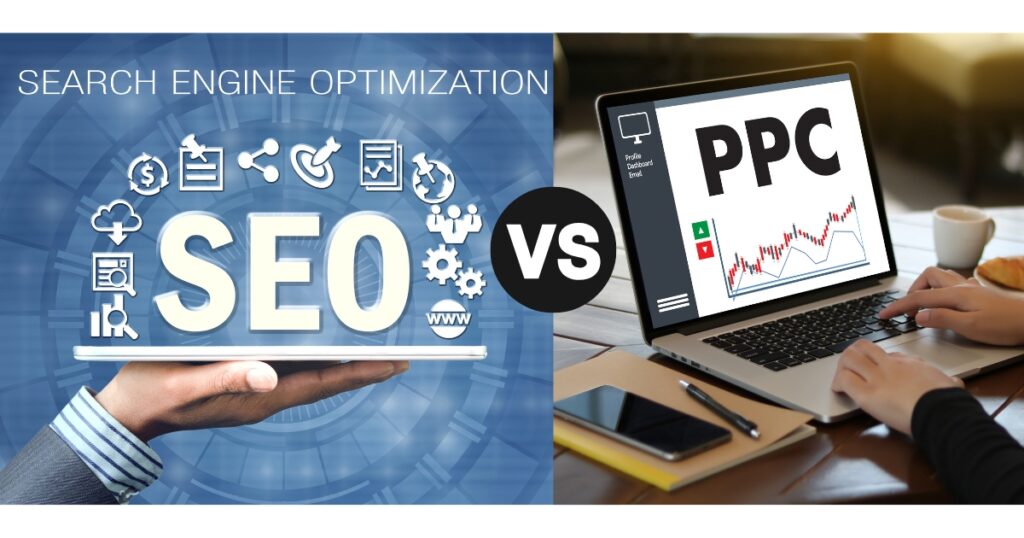
PPC vs SEO: Which is Better for Your Business?
In the digital marketing world, businesses often face an important decision: should they invest in Search Engine Optimization (SEO) or Pay-Per-Click (PPC) advertising? Both strategies are highly effective for driving website traffic, generating leads, and increasing sales, but they work in different ways and offer unique advantages. Choosing the right approach depends on your business goals, budget, competition, and timeline. Understanding the differences between PPC and SEO can help you make an informed decision and maximize your marketing return on investment. What is SEO? Search Engine Optimization (SEO) is the process of improving a website’s visibility in organic search engine results. The goal is to rank higher on search engines when users search for relevant keywords related to your products or services. SEO involves various techniques, including: SEO focuses on earning traffic naturally rather than paying for each visitor. What is PPC? Pay-Per-Click (PPC) is a form of online advertising where businesses pay each time a user clicks on their advertisement. These ads typically appear at the top of search engine results pages and across various digital platforms. Popular PPC platforms include: With PPC, businesses can quickly gain visibility and drive targeted traffic to their websites. Speed of Results One of the biggest differences between SEO and PPC is how quickly results are achieved. PPC provides immediate visibility. Once a campaign is launched, ads can start appearing in search results within hours. This makes PPC ideal for businesses that need fast leads, product launches, seasonal promotions, or immediate website traffic. SEO, however, is a long-term strategy. It often takes several months to see significant improvements in rankings and organic traffic. While SEO requires patience, the results can be more sustainable over time. If your business needs quick results, PPC may be the better option. If you are focused on long-term growth, SEO is often the stronger investment. Cost Comparison Budget plays a major role when choosing between SEO and PPC. PPC requires ongoing spending because businesses pay for every click generated by their ads. In competitive industries, the cost per click can become expensive, especially for high-demand keywords. SEO typically requires an investment in content creation, website optimization, and SEO expertise. While the initial effort may be significant, organic traffic does not require payment for every visitor. Over time, SEO often delivers a higher return on investment because traffic continues even after content is published and rankings improve. Traffic Quality Both SEO and PPC can drive highly targeted traffic when implemented correctly. SEO attracts users who are actively searching for information, products, or services. Organic search results are often perceived as more trustworthy by users, leading to higher engagement and credibility. PPC allows businesses to target specific audiences based on demographics, interests, location, and search intent. This precise targeting can generate high-quality leads and improve conversion rates. The quality of traffic depends largely on keyword selection, audience targeting, and campaign optimization. Credibility and Trust SEO has a strong advantage when it comes to building trust. Many users skip advertisements and prefer clicking on organic search results because they view them as more reliable and authoritative. Ranking organically on search engines signals expertise and credibility. Businesses that consistently appear in top organic positions often gain greater trust from potential customers. PPC advertisements can generate visibility, but some users may view them as promotional content rather than unbiased search results. Long-Term Benefits SEO is often considered a long-term asset. Once a website achieves strong rankings, it can continue attracting visitors for months or even years with regular updates and maintenance. PPC traffic stops as soon as advertising spending ends. If a business pauses its campaigns, visibility and traffic can decline immediately. For businesses seeking sustainable growth, SEO offers significant long-term advantages. When Should You Choose SEO? SEO is ideal when: Businesses focused on long-term digital success often prioritize SEO as a core marketing strategy. When Should You Choose PPC? PPC is ideal when: PPC allows businesses to generate traffic quickly while maintaining full control over targeting and budget. The Best Strategy: Combining SEO and PPC Rather than choosing one over the other, many successful businesses combine both strategies. PPC can generate immediate traffic while SEO builds long-term organic visibility. Using both approaches together creates a balanced marketing strategy that delivers short-term wins and sustainable growth. Businesses can use PPC data to identify high-performing keywords and incorporate them into their SEO efforts. Conclusion Both SEO and PPC offer valuable benefits, but the best choice depends on your business objectives. PPC delivers fast results and immediate visibility, while SEO provides long-term traffic, credibility, and cost-effective growth. For businesses looking to maximize their online presence, combining SEO and PPC often produces the strongest results. By leveraging the strengths of both strategies, companies can attract more customers, increase conversions, and achieve sustainable digital marketing success.