SEO

Blog

PPC vs SEO: Which is Better for Your Business?

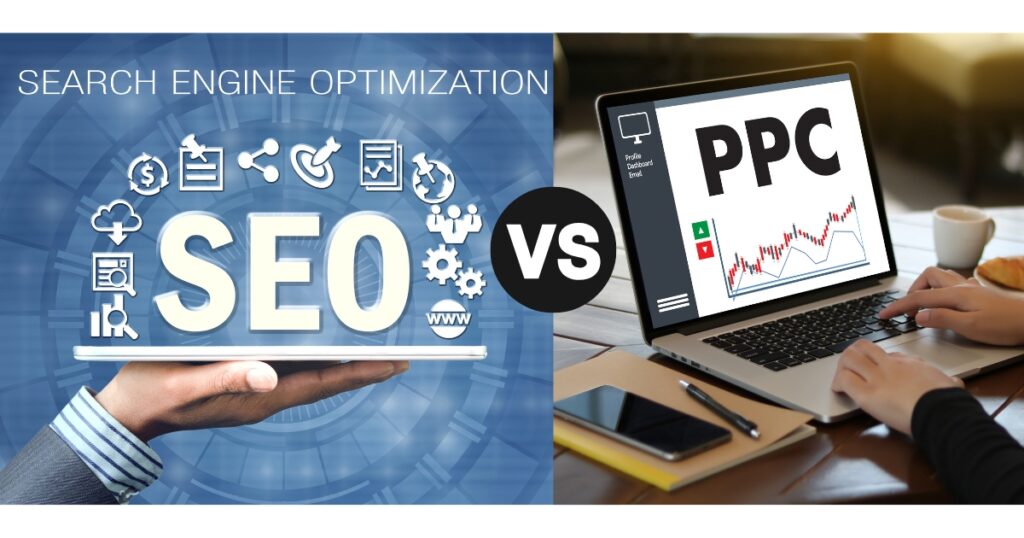
In the digital marketing world, businesses often face an important decision: should they invest in Search Engine Optimization (SEO) or Pay-Per-Click (PPC) advertising? Both strategies are highly effective for driving website traffic, generating leads, and increasing sales, but they work in different ways and offer unique advantages. Choosing the right approach depends on your business goals, budget, competition, and timeline. Understanding the differences between PPC and SEO can help you make an informed decision and maximize your marketing return on investment. What is SEO? Search Engine Optimization (SEO) is the process of improving a website’s visibility in organic search engine results. The goal is to rank higher on search engines when users search for relevant keywords related to your products or services. SEO involves various techniques, including: SEO focuses on earning traffic naturally rather than paying for each visitor. What is PPC? Pay-Per-Click (PPC) is a form of online advertising where businesses pay each time a user clicks on their advertisement. These ads typically appear at the top of search engine results pages and across various digital platforms. Popular PPC platforms include: With PPC, businesses can quickly gain visibility and drive targeted traffic to their websites. Speed of Results One of the biggest differences between SEO and PPC is how quickly results are achieved. PPC provides immediate visibility. Once a campaign is launched, ads can start appearing in search results within hours. This makes PPC ideal for businesses that need fast leads, product launches, seasonal promotions, or immediate website traffic. SEO, however, is a long-term strategy. It often takes several months to see significant improvements in rankings and organic traffic. While SEO requires patience, the results can be more sustainable over time. If your business needs quick results, PPC may be the better option. If you are focused on long-term growth, SEO is often the stronger investment. Cost Comparison Budget plays a major role when choosing between SEO and PPC. PPC requires ongoing spending because businesses pay for every click generated by their ads. In competitive industries, the cost per click can become expensive, especially for high-demand keywords. SEO typically requires an investment in content creation, website optimization, and SEO expertise. While the initial effort may be significant, organic traffic does not require payment for every visitor. Over time, SEO often delivers a higher return on investment because traffic continues even after content is published and rankings improve. Traffic Quality Both SEO and PPC can drive highly targeted traffic when implemented correctly. SEO attracts users who are actively searching for information, products, or services. Organic search results are often perceived as more trustworthy by users, leading to higher engagement and credibility. PPC allows businesses to target specific audiences based on demographics, interests, location, and search intent. This precise targeting can generate high-quality leads and improve conversion rates. The quality of traffic depends largely on keyword selection, audience targeting, and campaign optimization. Credibility and Trust SEO has a strong advantage when it comes to building trust. Many users skip advertisements and prefer clicking on organic search results because they view them as more reliable and authoritative. Ranking organically on search engines signals expertise and credibility. Businesses that consistently appear in top organic positions often gain greater trust from potential customers. PPC advertisements can generate visibility, but some users may view them as promotional content rather than unbiased search results. Long-Term Benefits SEO is often considered a long-term asset. Once a website achieves strong rankings, it can continue attracting visitors for months or even years with regular updates and maintenance. PPC traffic stops as soon as advertising spending ends. If a business pauses its campaigns, visibility and traffic can decline immediately. For businesses seeking sustainable growth, SEO offers significant long-term advantages. When Should You Choose SEO? SEO is ideal when: Businesses focused on long-term digital success often prioritize SEO as a core marketing strategy. When Should You Choose PPC? PPC is ideal when: PPC allows businesses to generate traffic quickly while maintaining full control over targeting and budget. The Best Strategy: Combining SEO and PPC Rather than choosing one over the other, many successful businesses combine both strategies. PPC can generate immediate traffic while SEO builds long-term organic visibility. Using both approaches together creates a balanced marketing strategy that delivers short-term wins and sustainable growth. Businesses can use PPC data to identify high-performing keywords and incorporate them into their SEO efforts. Conclusion Both SEO and PPC offer valuable benefits, but the best choice depends on your business objectives. PPC delivers fast results and immediate visibility, while SEO provides long-term traffic, credibility, and cost-effective growth. For businesses looking to maximize their online presence, combining SEO and PPC often produces the strongest results. By leveraging the strengths of both strategies, companies can attract more customers, increase conversions, and achieve sustainable digital marketing success.


Blog

How Small Businesses Can Compete With Big Brands Online.

In today’s digital marketplace, small businesses often find themselves competing against large corporations with bigger budgets, larger teams, and stronger brand recognition. While this may seem challenging, the internet has created opportunities that allow small businesses to compete on a more level playing field. With the right digital marketing strategies, small businesses can attract customers, build brand loyalty, and grow their market presence without spending millions on advertising. Success online is no longer determined solely by company size. Creativity, authenticity, customer experience, and smart marketing strategies can help small businesses stand out and compete effectively with industry giants. Focus on a Specific Niche One of the biggest advantages small businesses have is the ability to specialize. Large brands often target broad audiences, while small businesses can focus on specific niches and customer segments. By identifying a particular market need, small businesses can create products, services, and content tailored to a specific audience. This targeted approach allows businesses to become experts in their niche and build stronger relationships with customers. Customers are more likely to choose a brand that understands their unique needs rather than a large company offering generic solutions. Build a Strong Brand Identity A clear and consistent brand identity helps small businesses stand out in a crowded market. Your brand should communicate who you are, what you offer, and why customers should choose you. Elements of a strong brand include: People often connect emotionally with brands that reflect their values and personality. A distinctive brand identity helps create trust and recognition over time. Leverage Content Marketing Content marketing is one of the most cost-effective ways for small businesses to compete online. Creating valuable content helps attract potential customers, improve search engine rankings, and establish authority within your industry. Content can include: Instead of focusing solely on selling, provide useful information that helps your audience solve problems or make informed decisions. Valuable content builds trust and keeps customers engaged with your brand. Invest in Search Engine Optimization (SEO) Search Engine Optimization (SEO) allows small businesses to compete with larger brands by increasing visibility in search engine results. A well-optimized website can attract highly targeted visitors who are actively searching for products or services related to your business. Important SEO strategies include: Ranking well in search results can generate consistent traffic without the ongoing costs associated with paid advertising. Utilize Social Media Effectively Social media platforms provide an excellent opportunity for small businesses to connect directly with customers. Unlike traditional advertising, social media allows brands to build genuine relationships and engage with their audience in real time. To maximize social media success: Authenticity often performs better than polished corporate messaging. Small businesses can use their personality and flexibility to create stronger connections with followers. Deliver Exceptional Customer Service Customer experience can be a major competitive advantage. While large companies may struggle to provide personalized support, small businesses can offer faster responses and more meaningful interactions. Excellent customer service helps: Customers remember businesses that make them feel valued. Personalized communication and prompt support can significantly impact purchasing decisions. Take Advantage of Local Marketing For many small businesses, local customers are a valuable source of revenue. Local digital marketing strategies can help businesses attract nearby customers and compete effectively against national brands. Key local marketing tactics include: Strong local visibility often leads to higher trust and stronger customer relationships. Use Data to Improve Performance One of the greatest benefits of digital marketing is access to detailed analytics. Small businesses can track website traffic, customer behavior, social media engagement, and conversion rates. Analyzing this data helps businesses: Data-driven decisions allow small businesses to use their resources more effectively and compete with larger competitors. Collaborate with Influencers and Partners Partnerships can help small businesses expand their reach and credibility. Collaborating with industry experts, local influencers, or complementary brands can introduce your business to new audiences. Micro-influencers, in particular, often have highly engaged followers and can deliver strong results at a lower cost compared to celebrity endorsements. Strategic partnerships can increase brand awareness and generate valuable customer trust. Conclusion Competing with big brands online may seem difficult, but small businesses possess unique advantages that can drive success. By focusing on niche markets, building a strong brand identity, creating valuable content, investing in SEO, leveraging social media, and delivering exceptional customer service, small businesses can attract loyal customers and grow their online presence. In the digital age, success is not determined by the size of a company but by its ability to connect with customers, provide value, and adapt to changing market trends. With the right strategy and consistent effort, small businesses can successfully compete with even the largest brands online.

Blog

How to Grow Your Brand Organically on Social Media

In today’s digital world, social media has become one of the most powerful tools for building a brand. With billions of users actively engaging on various platforms, businesses have endless opportunities to connect with their target audience. While paid advertising can deliver quick results, organic social media growth helps create long-term relationships, build trust, and establish a strong brand presence without relying heavily on advertising budgets. Growing your brand organically on social media requires consistency, creativity, and a clear strategy. Here are some effective ways to achieve sustainable growth. Understand Your Target Audience The first step to organic growth is knowing who your audience is. Before creating content, identify your ideal customers by considering factors such as age, interests, location, profession, and online behavior. Understanding your audience helps you create content that resonates with them and encourages engagement. Conduct audience research through social media insights, customer feedback, and competitor analysis. The more you know about your audience, the easier it becomes to deliver content they find valuable and engaging. Create High-Quality Content Content is the foundation of any successful social media strategy. To attract and retain followers, focus on creating content that educates, entertains, inspires, or solves problems. Popular content formats include: High-quality visuals, compelling captions, and valuable information can significantly increase engagement and encourage users to share your content with others. Maintain a Consistent Posting Schedule Consistency is one of the most important factors in organic social media growth. Posting regularly helps keep your brand visible and reminds your audience that you are active and engaged. Create a content calendar to plan your posts in advance. Whether you post daily, three times a week, or weekly, maintaining a consistent schedule helps build audience expectations and improves overall engagement. Focus on Engagement Social media is not just about posting content; it is about building relationships. Engage with your audience by responding to comments, replying to messages, and participating in conversations. Ask questions, conduct polls, and encourage followers to share their opinions. The more interactions your content receives, the more likely social media algorithms are to show it to a larger audience. Building genuine connections with followers increases trust and encourages long-term loyalty. Leverage Short-Form Video Content Short-form videos continue to dominate social media platforms. Reels, Shorts, and similar video formats often receive higher reach and engagement than static posts. Create videos that provide quick tips, showcase products, share customer success stories, or highlight behind-the-scenes moments. Authentic and relatable content often performs better than overly polished promotional material. Short videos can help brands reach new audiences and improve organic visibility. Use Relevant Hashtags Strategically Hashtags help users discover your content beyond your existing followers. Research industry-specific and trending hashtags that align with your content and audience. Avoid using irrelevant or excessive hashtags. Instead, focus on a mix of broad, niche, and branded hashtags to maximize reach while maintaining relevance. A thoughtful hashtag strategy can improve content discoverability and attract new followers interested in your niche. Collaborate with Others Partnerships and collaborations can significantly expand your reach. Work with industry experts, creators, complementary businesses, or satisfied customers to create content together. Collaborations introduce your brand to new audiences and help build credibility. Even small partnerships can generate valuable exposure and engagement. User-generated content is another effective form of collaboration. Encouraging customers to share their experiences with your products or services can strengthen trust and authenticity. Monitor Analytics and Improve Successful social media growth requires continuous improvement. Regularly analyze your performance using platform analytics tools. Track important metrics such as: Identify which content performs best and use those insights to refine your strategy. Data-driven decisions help maximize results and ensure long-term growth. Stay Updated with Trends Social media trends evolve rapidly. Brands that adapt to new features, content formats, and audience preferences often achieve better results. Keep an eye on industry trends, viral content formats, and platform updates. Participating in relevant trends can increase visibility and help your brand remain competitive. However, ensure that any trend you follow aligns with your brand identity and audience interests. Conclusion Growing your brand organically on social media is a long-term process that requires patience, consistency, and strategic effort. By understanding your audience, creating valuable content, engaging with followers, leveraging video content, and continuously optimizing your approach, you can build a strong and loyal online community. While organic growth may take time, it often results in stronger customer relationships, higher trust, and sustainable brand success. Businesses that focus on delivering value and authentic engagement are more likely to stand out and thrive in today’s competitive social media landscape.

Blog

Online vs offline marketing

Marketing is the backbone of every successful business. Whether a company wants to increase brand awareness, generate leads, or boost sales, effective marketing plays a crucial role. Today, businesses have two major marketing approaches to choose from: online marketing and offline marketing. While both aim to reach potential customers and promote products or services, they differ significantly in their methods, reach, cost, and effectiveness. Understanding the differences between online and offline marketing can help businesses make informed decisions and create a strategy that delivers the best results. What is Online Marketing? Online marketing, also known as digital marketing, involves promoting products or services through internet-based channels. Businesses use websites, search engines, social media platforms, email campaigns, and online advertisements to connect with their target audience. Some common forms of online marketing include: Online marketing allows businesses to reach customers anywhere in the world and engage with them in real time. What is Offline Marketing? Offline marketing refers to traditional promotional methods that do not require the internet. These marketing activities are conducted through physical or broadcast media and have been used by businesses for decades. Examples of offline marketing include: Offline marketing remains valuable for businesses targeting local audiences and customers who rely more on traditional media. Reach and Audience One of the biggest differences between online and offline marketing is audience reach. Online marketing offers a global reach. A business can promote its products to customers across different cities, countries, and continents with just a few clicks. Social media platforms and search engines make it possible to connect with millions of potential customers instantly. Offline marketing, on the other hand, is usually limited to a specific geographic area. For example, a newspaper advertisement may only reach readers within a particular city or region. While television can provide wider exposure, it often comes at a much higher cost. Cost Effectiveness Budget is a critical factor for most businesses. Online marketing is generally more affordable than offline marketing. Small businesses can run social media campaigns, publish blog content, and optimize their websites with relatively low investment. Digital advertising platforms also allow businesses to control their spending and adjust campaigns based on performance. Offline marketing often requires a larger budget. Television commercials, radio ads, billboards, and print advertisements can be expensive, making them less accessible for startups and small businesses. Targeting Capabilities Online marketing provides advanced targeting options. Businesses can target audiences based on: This level of precision helps businesses reach the right people and improve conversion rates. Offline marketing typically uses broader targeting methods. A billboard or newspaper advertisement is displayed to a wide audience, many of whom may not be interested in the product or service being promoted. Customer Engagement Customer engagement is another area where online marketing excels. Through social media, email, and websites, businesses can interact directly with customers. They can respond to comments, answer questions, and gather feedback instantly. This two-way communication helps build stronger customer relationships. Offline marketing is usually one-way communication. Customers receive the message but have limited opportunities to interact with the brand immediately. Measuring Results One of the greatest advantages of online marketing is the ability to track performance accurately. Businesses can monitor: These insights help marketers optimize campaigns and improve results. Offline marketing is more difficult to measure. While businesses may notice increased sales after a campaign, determining exactly which advertisement generated those sales can be challenging. Brand Trust and Credibility Offline marketing still holds an advantage in terms of perceived credibility. Many consumers view television, newspaper, and magazine advertisements as more trustworthy because they are associated with established media channels. However, online marketing can also build trust through high-quality content, customer reviews, testimonials, and a strong social media presence. Which Marketing Approach is Better? There is no single answer because the best approach depends on the business, audience, and goals. Online marketing is ideal for businesses seeking measurable results, global reach, cost-effective advertising, and customer engagement. It is particularly beneficial for startups and businesses looking to scale quickly. Offline marketing works well for local businesses, community promotions, and brand awareness campaigns. It can also be effective when targeting audiences that consume traditional media regularly. Conclusion Online and offline marketing each has unique strengths and limitations. Online marketing offers affordability, precise targeting, real-time engagement, and measurable results, while offline marketing provides credibility, local visibility, and broad brand exposure. For most businesses, the most effective strategy is a combination of both approaches. By integrating online and offline marketing efforts, companies can maximize their reach, strengthen their brand, and achieve long-term growth in an increasingly competitive marketplace.

Blog

How to Rank a New Website Faster

Launching a new website is exciting, but one of the biggest challenges is getting it to rank on search engines like Google. Many website owners expect instant traffic after publishing their site, but SEO takes time and strategy. The good news is that with the right approach, you can speed up the ranking process and start attracting visitors faster. 1. Start With Proper Keyword Research The foundation of SEO begins with choosing the right keywords. Instead of targeting highly competitive keywords, focus on long-tail keywords that are easier to rank for. For example, rather than targeting “digital marketing,” a new website can target “digital marketing tips for small businesses.” Use keyword research tools to identify: Targeting the right keywords helps search engines understand your content and improves your chances of appearing in search results quickly. 2. Publish High-Quality Content Regularly Content is one of the most important ranking factors. Google prefers websites that consistently publish useful, informative, and original content. Create blog posts that solve user problems, answer common questions, and provide value. To make your content SEO-friendly: Consistency matters. Publishing 2–3 quality articles per week can significantly improve your website’s visibility over time. 3. Optimize On-Page SEO On-page SEO helps search engines crawl and understand your website better. Every page on your website should be properly optimized. Important on-page SEO elements include: For example, a clean URL like:yourwebsite.com/rank-new-website-fasteris better than:yourwebsite.com/page?id=123 Good on-page SEO improves both user experience and search engine rankings. 4. Improve Website Speed Website speed is a direct ranking factor. If your website loads slowly, visitors may leave quickly, increasing bounce rates and hurting SEO performance. To improve speed: A fast website provides a better user experience and helps search engines crawl your pages more efficiently. 5. Make Your Website Mobile-Friendly Most internet users browse websites on mobile devices. Google uses mobile-first indexing, meaning it primarily evaluates the mobile version of your site. Ensure your website: Responsive website design improves user engagement and search rankings. 6. Build Quality Backlinks Backlinks are links from other websites to your site. They act as signals of trust and authority in Google’s algorithm. However, quality matters more than quantity. Ways to build backlinks: Avoid buying backlinks or using spammy SEO techniques because they can harm your rankings. 7. Use Internal Linking Internal linking connects pages within your website. This helps search engines discover content and keeps visitors on your site longer. For example, if you write a blog about SEO tools, you can internally link it to another article about keyword research. Proper internal linking improves website structure and user experience. 8. Submit Your Website to Google After launching your website, submit it to Google Search Console. This helps Google index your pages faster. You should also: Google Search Console provides valuable insights that can improve your SEO strategy. 9. Focus on User Experience Google rewards websites that provide a positive user experience. If visitors stay longer on your website, it signals that your content is valuable. Improve user experience by: A good user experience increases engagement and boosts rankings over time. 10. Be Patient and Consistent SEO is not an overnight process. New websites usually take time to gain authority and trust. Instead of expecting immediate results, focus on consistent improvement. Continue: With patience and consistent effort, your website will gradually rank higher and attract more organic traffic. Conclusion Ranking a new website faster requires a combination of smart SEO strategies, quality content, technical optimization, and patience. By focusing on keyword research, content creation, backlinks, mobile optimization, and user experience, you can increase your chances of appearing higher in search results.

Blog

What is Digital Marketing?

Digital marketing refers to the use of digital channels, technologies, and online platforms to promote products, services, or brands to a targeted audience. It involves leveraging the internet and electronic devices—such as computers, smartphones, and tablets—to connect businesses with consumers. Unlike traditional marketing, which relies on physical media like newspapers, billboards, and television, digital marketing operates primarily in virtual spaces, allowing for more precise targeting, measurement, and interaction. 1. Evolution and Importance of Digital Marketing The rise of the internet and social media revolutionized how businesses interact with customers. In the past, marketing efforts were often one-way communications: companies broadcast messages, and consumers passively received them. However, digital marketing introduced a two-way dialogue. Consumers can now respond, share feedback, and even influence brand perception through reviews and social media discussions. Today, digital marketing is crucial for almost every business—large or small—because consumers increasingly rely on digital sources to make purchasing decisions. According to various studies, a majority of customers research online before buying a product, even if they make the final purchase in a physical store. This means businesses must maintain a strong online presence to remain competitive. 2. Major Components of Digital Marketing Digital marketing encompasses a wide range of strategies and techniques. The most common and important components include: A. Search Engine Optimization (SEO) SEO involves optimizing a website to improve its visibility in search engine results pages (SERPs). The goal is to rank higher for keywords relevant to a business’s products or services. SEO includes both on-page factors (such as keyword use, content quality, and website speed) and off-page factors (like backlinks and social signals). Effective SEO helps businesses attract “organic” traffic without paying for ads. B. Content Marketing Content marketing focuses on creating and distributing valuable, relevant, and consistent content to attract and retain a clearly defined audience. The content may take many forms—blogs, articles, videos, infographics, podcasts, and e-books. Instead of directly promoting a brand, content marketing builds trust and authority by providing useful information that addresses customer needs. C. Social Media Marketing Social media marketing uses platforms like Facebook, Instagram, X (formerly Twitter), LinkedIn, and TikTok to connect with audiences. Businesses use social media to share content, engage followers, run ads, and build communities around their brands. It also provides direct customer feedback and enables viral marketing, where content spreads rapidly through user sharing. D. Pay-Per-Click (PPC) Advertising PPC advertising allows marketers to pay for website visits rather than earning them organically. Platforms like Google Ads and Meta Ads (Facebook and Instagram) enable advertisers to bid for ad placements where they pay each time someone clicks their ad. PPC campaigns can quickly drive traffic and sales, especially for time-sensitive promotions. E. Email Marketing Email marketing involves sending personalized messages to a list of subscribers to nurture leads, promote products, or provide valuable updates. Despite the rise of social media, email remains one of the most effective channels for building long-term customer relationships due to its direct and personal nature. F. Affiliate and Influencer Marketing In affiliate marketing, businesses collaborate with individuals or other companies who promote their products in exchange for a commission on sales. Similarly, influencer marketing leverages social media influencers with large followings to endorse products, creating credibility and expanding reach. G. Mobile Marketing With smartphones dominating internet usage, mobile marketing focuses on reaching audiences through mobile-optimized websites, apps, SMS campaigns, and location-based services. The goal is to engage customers seamlessly across all devices. 3. Benefits of Digital Marketing Digital marketing offers numerous advantages over traditional marketing approaches: 4. Challenges in Digital Marketing Despite its many benefits, digital marketing also presents challenges: 5. The Future of Digital Marketing The future of digital marketing is shaped by emerging technologies such as artificial intelligence (AI), machine learning, virtual reality (VR), and voice search. AI tools can predict customer behavior, automate ad placements, and personalize experiences. Additionally, short-form video content and influencer-driven marketing are expected to dominate in the coming years. Sustainability and ethical marketing are also becoming essential as consumers increasingly prefer brands that align with their values.

Scroll to Top